
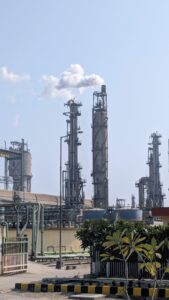
 We provide rigorous project management support that integrates advanced planning, risk modeling, and execution controls across complex upstream, midstream, and downstream activities. Our teams coordinate multidisciplinary stakeholders to ensure alignment between engineering, operations, and regulatory functions. We introduce structured governance frameworks that enhance predictability, reduce operational uncertainty, and strengthen decision-making. Through continuous monitoring and adaptive interventions, we help clients maintain safe, efficient, and strategically coherent project delivery.
We employ probabilistic risk modeling, scenario forecasting, and data-driven controls to help operators anticipate disruptions before they manifest operationally. These analytical tools enable leadership to evaluate complex trade-offs across safety, production efficiency, and regulatory compliance. Our team incorporates continuous monitoring mechanisms to maintain situational awareness across drilling, production, and maintenance activities. Enhanced visibility empowers stakeholders to intervene decisively and sustain operational continuity under challenging conditions. As a result, organizations strengthen resilience and elevate standards of execution across dynamic environments.
Capability building forms a core component of our support, ensuring that internal teams develop mastery of advanced project management practices. We deliver tailored coaching on governance discipline, risk communication, and decision frameworks that improve cross-functional fluency. These interventions expand organizational competence and promote long-term self-sufficiency. By embedding analytical rigor into routine operations, clients create a culture centered on systematic planning and informed action. This transformation allows oil and gas organizations to achieve higher reliability, improved compliance, and sustained strategic alignment.
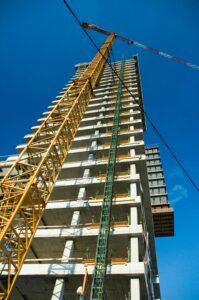 Our project management support in the construction sector emphasizes integrated planning, contractor coordination, and schedule assurance across all phases of development. We apply analytical tools to evaluate sequencing, constraints, and resource allocation with precision. Governance structures are introduced to strengthen communication among engineering, procurement, and field teams. This systematic approach reduces variability, enhances quality control, and improves adherence to budget and timeline expectations.
We introduce governance models that clarify decision hierarchies, streamline reporting obligations, and normalize communication between field and management teams. This architecture enables clearer accountability and reduces ambiguity around scope and change management. Real-time controls enhance transparency and equip stakeholders with actionable insights to guide interventions. Our approach also emphasizes continuous assessment of contractor performance and productivity indicators. These mechanisms ensure project objectives remain aligned with operational reality.
To support long-term improvement, we provide training programs that elevate the technical, analytical, and managerial competencies of construction teams. These programs address planning logic, performance measurement, and multidisciplinary coordination. Stakeholders develop a deeper understanding of how systemic interactions influence project outcomes. Improved fluency in project controls fosters more responsive and informed decision-making. Collectively, these advancements cultivate consistency, precision, and strategic cohesion across construction initiatives.
 We support technology projects by implementing Agile-aligned governance, dependency mapping, and performance metrics that stabilize delivery cycles. Our approach enhances collaboration between engineering, product, and compliance teams through structured communication pathways. We refine workflows to improve clarity, velocity, and alignment with strategic objectives. The resulting project environment benefits from increased adaptability, stronger prioritization, and higher execution reliability.
We address the unique volatility of technology programs by employing adaptive planning tools and real-time visibility mechanisms. These capabilities help organizations anticipate architectural risks, resource constraints, and system interdependencies. Enhanced monitoring supports rapid decision cycles and fosters a culture of structured experimentation. Leadership gains a clearer view of how strategic objectives translate into actionable workstreams. The result is a more coherent and scalable technology delivery ecosystem.
Our coaching programs build analytical depth, technical fluency, and communication proficiency among product and engineering teams. We strengthen leaders’ abilities to interpret metrics, manage ambiguity, and guide iterative development responsibly. These skills foster resilience and higher-quality decision-making under dynamic conditions. As organizational maturity increases, teams operate with greater autonomy and methodological consistency. This advancement enables technology organizations to innovate reliably while maintaining strategic alignment.
 Project management support in the health sector focuses on optimizing clinical workflows, enhancing compliance structures, and improving coordination across multidisciplinary care teams. We introduce performance dashboards and decision frameworks that support evidence-based planning. Our methods strengthen alignment between frontline staff, administrative units, and regulatory expectations. Through targeted interventions, we help health organizations increase operational reliability and improve patient-centered outcomes.
We employ evidence-based planning tools that ensure improvement initiatives remain ethically grounded and operationally feasible. Our risk assessment methods incorporate patient safety, service continuity, and organizational resilience. Data-driven dashboards enhance transparency and support rapid intervention when performance deviates. Collaboration between clinical and administrative units becomes more fluid and informed. These advancements improve compliance, safety, and system-level efficiency.
Capability development promotes long-term sustainability by fostering analytic reasoning and communication excellence across the care continuum. We coach leaders to interpret metrics, guide interdisciplinary teams, and engage with complex regulatory landscapes. These competencies strengthen accountability and elevate strategic execution. Teams mature toward a disciplined approach to improvement and decision-making. Ultimately, health organizations achieve more adaptive, ethical, and coherent operational performance.
 We guide environmental projects using rigorous impact evaluation, structured risk assessment, and data-driven resource planning. Our frameworks align scientific objectives with operational feasibility to ensure credible and defensible outcomes. We coordinate stakeholder groups to enhance transparency and strengthen interdisciplinary collaboration. This support results in more coherent program execution and improved environmental performance.
We guide organizations in designing data-driven frameworks that support evidence-based prioritization of environmental interventions. These methods integrate ecological modeling with practical implementation considerations. Stakeholders gain clarity on trade-offs associated with competing environmental objectives. Our structured communication tools strengthen collaboration across scientific, governmental, and community groups. The overall result is more informed and responsible environmental decision-making.
Training and capacity-building initiatives equip teams with applied skills in environmental evaluation, reporting, and governance. We advance analytical fluency and methodological consistency across interdisciplinary teams. Enhanced capability supports more responsive, transparent, and scientifically grounded program execution. Organizations become better positioned to measure, communicate, and defend environmental outcomes. These strengthened competencies enable long-term stewardship and ecological resilience.
 Our sustainability project management services integrate lifecycle analysis, metric design, and performance monitoring to support long-term environmental objectives. We establish governance systems that ensure alignment between operational activities and sustainability commitments. Analytical tools are used to evaluate progress, identify opportunities for optimization, and enhance reporting transparency. These capabilities help organizations embed sustainability into core decision-making processes.
We support strategy integration by aligning sustainability goals with operational, financial, and organizational priorities. Decision frameworks ensure initiatives remain both environmentally responsible and economically rational. Reporting structures enhance accountability and stakeholder confidence. Our evaluation methods identify optimization opportunities across supply chains and operational processes. These tools help organizations embed sustainability into routine decision-making.
Capacity-building programs advance competency in sustainability analytics, reporting, and governance. Teams learn to interpret metrics, evaluate trade-offs, and operationalize environmental objectives. Structured coaching enhances cross-functional dialogue and fosters shared accountability. As organizational fluency increases, sustainability becomes a strategic driver rather than an isolated initiative. This enables long-term environmental and economic value creation.
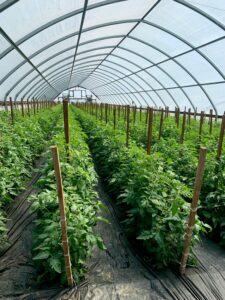 We support agricultural projects by applying predictive planning, resource modeling, and risk-based scenario analysis to improve production stability. Our methods strengthen coordination across regions, supply chains, and operational teams. We enhance decision-making through data integration and process optimization. This structured approach leads to greater resilience, reduced waste, and improved long-term agricultural outcomes.
We introduce forecasting and data-integration systems that strengthen decision-making across agricultural cycles. These systems illuminate constraints affecting yield, supply chains, and storage capacity. Stakeholders benefit from enhanced visibility into seasonal, climatic, and operational variability. Governance structures ensure accountability and streamline coordination across distributed teams. These improvements support more predictable and resilient agricultural outcomes.
Training programs advance teams’ readiness to engage with predictive analytics, adaptive planning, and continuous improvement frameworks. Enhanced analytical literacy strengthens communication across agronomists, operations teams, and leadership. Organizations become more adept at anticipating resource shortages and production risks. Improved decision-making capabilities support long-term agricultural sustainability. As a result, clients achieve improved yield stability, reduced waste, and stronger environmental alignment.
 Project management in event operations involves detailed planning, stakeholder synchronization, and real-time logistical coordination. We establish governance structures that clarify roles, mitigate risks, and support contingency preparation. Performance monitoring mechanisms help teams respond rapidly to dynamic conditions. As a result, clients achieve higher-quality execution and more seamless event delivery.
We employ scenario planning and risk-analysis frameworks to anticipate disruptions that could affect attendee experience, logistics, or compliance. These preparations ensure teams respond effectively under pressure. Enhanced communication pathways reduce ambiguity across vendors, contractors, and internal departments. Structured performance indicators guide timely interventions and alignment checks. This approach mitigates operational risk and elevates event quality.
Capacity development initiatives build team competence in coordination, stakeholder engagement, and adaptation. Teams learn to navigate uncertainty with stronger analytical reasoning and communication. Our coaching reinforces reflective practice and continuous improvement. As operational maturity increases, organizations execute events with greater confidence and cohesion. The result is a disciplined, responsive, and high-performing event management ecosystem.
 We support educational initiatives by implementing project governance frameworks that enhance program coherence, performance tracking, and stakeholder communication. Our approach integrates curriculum planning, resource allocation, and institutional alignment. Analytical tools help leadership evaluate outcomes and adjust strategies as needed. This method strengthens operational stability and supports measurable improvements in educational effectiveness.
We integrate analytical models to support resource allocation, workforce planning, and student success initiatives. These methods help institutions evaluate the feasibility and impact of academic programs. Performance monitoring supports evidence-based adjustments to improve operational and instructional quality. Collaboration improves across administrative and academic units. The approach results in more deliberate and strategic educational improvement.
Training initiatives develop institutional leaders’ competencies in governance, project control, and strategic communication. Staff gain confidence interpreting performance indicators and guiding interdisciplinary projects. Enhanced alignment increases organizational agility. Capability-building fosters reflective practice and continuous learning. This allows institutions to advance initiatives with consistency and strategic clarity.
 Our support for general administration projects centers on process optimization, governance clarity, and structured performance oversight. We help organizations standardize workflows and introduce frameworks that strengthen accountability. Data-informed decision structures enhance transparency and operational efficiency. These improvements foster more coordinated, effective, and sustainable administrative operations.
We strengthen decision-making through data integration frameworks that consolidate information from disparate administrative functions. Enhanced reporting structures improve communication across departments and reduce operational ambiguity. These tools provide leadership with meaningful insights into performance trends. Governance mechanisms ensure consistent application of standards and expectations. The result is a more reliable and strategically aligned administrative system.
Our capability-building programs focus on communication excellence, analytical proficiency, and process optimization skills. Staff learn to evaluate workflow challenges and propose targeted improvements. Enhanced cross-functional collaboration improves organizational cohesion. Continuous improvement cycles reinforce adaptability and resilience. Through this work, administrative teams achieve stronger alignment with organizational strategy and service goals.